I want to systematize and preserve information about the berry, which is still terribly underestimated.
OUR
STORY
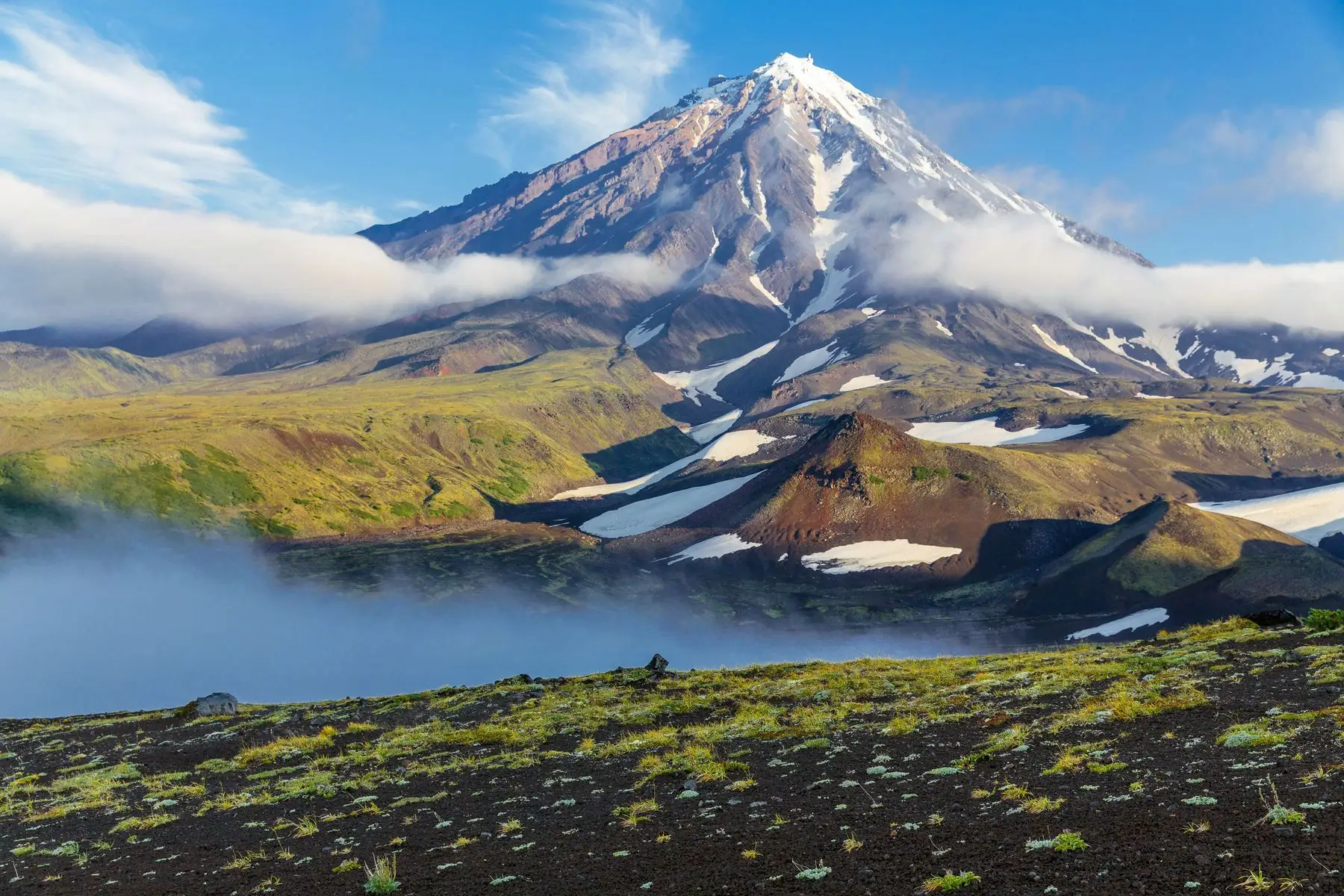
Very rare berry from Japan and the Kuril Islands
Originating from the Far East (Japan, Sakhalin, the Kuril Islands and Kamchatka), this plant has a unique aroma and taste, is incredibly beautiful, but, unfortunately, is still very little studied. Here we share our experience in growing and breeding this plant in Canada.
Almost no one knows anything about it, only people living in the Uchichari range know about it. I first saw and tried this magical berry back in 1987, on the very edge of the earth – the island of Kunashir. I am not a botanist-researcher, I just happened to meet this beauty in the place where she lives – on the Kuril Islands.
Unique properties of Utschitschara - aroma, taste and appearance
It is incredible, unique, tasty, fragrant and has wonderful medicinal properties.
The first thing that struck me was the unusual pattern on the berry itself, the unusual pattern – a five-sided honeycomb.
The aroma is completely unlike any other berry I’ve tried before, very individual, once you hear it you won’t confuse it with anything else ever. The taste is interesting precisely because of the combination with the aroma, sour, sweet, salty and even a little spicy. The most important thing that makes this berry unique, in my opinion, is the aroma. Persistent, unique, very rich in shades.
I have never seen a person who would taste this berry and not want it again and again, not look for where to pick it or buy it.
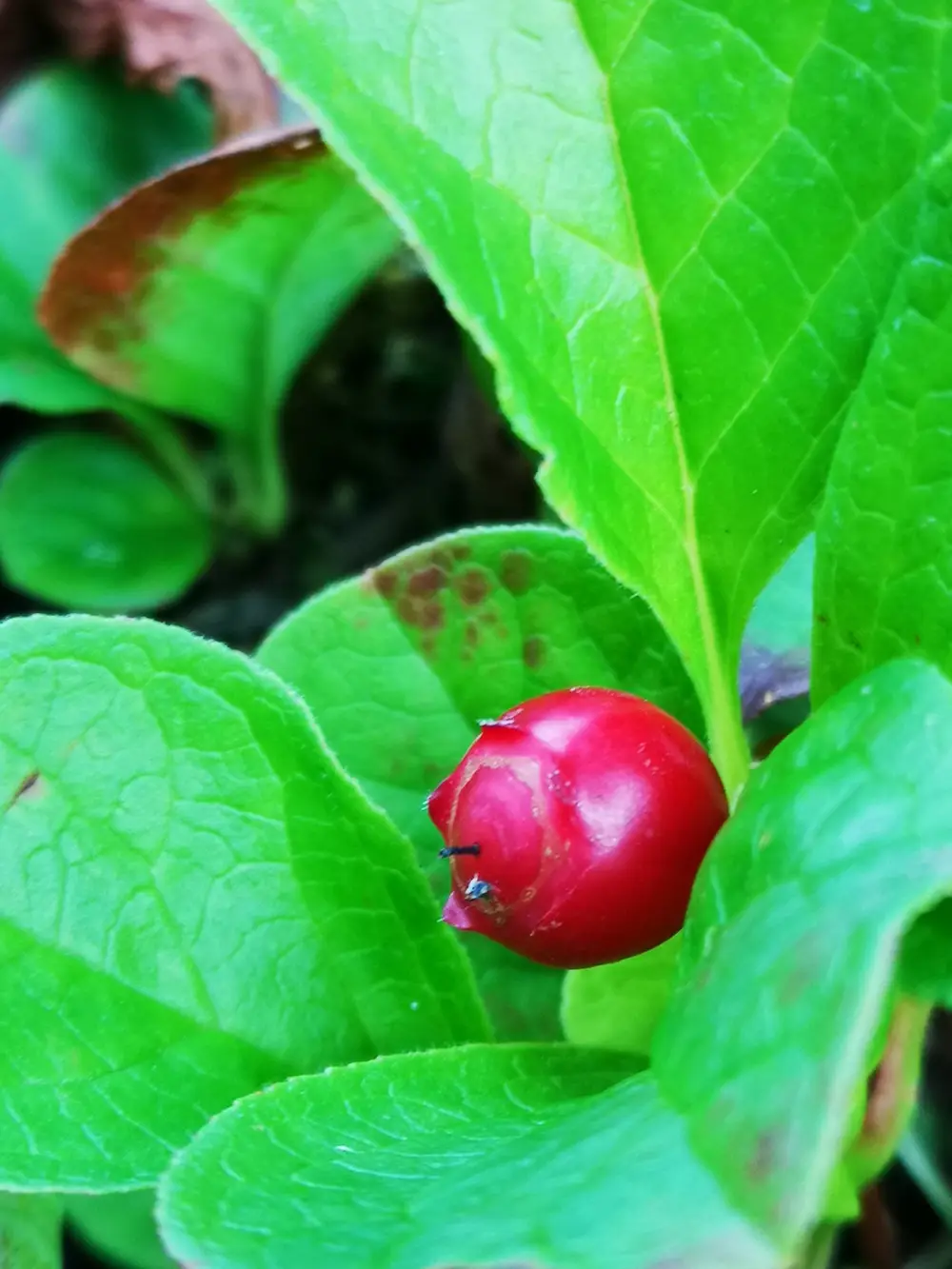

Where Utschitschara grows - natural environment and climate
The berry grows on the slopes of the mountains, in places near the ocean, where there is always a fresh wind, iodine in the air and moisture.
Once I accidentally came across an article about the jungles of the temperate zone – the so-called Temperate Rainforests. So, you probably guessed, the range of Uchichara in the East coincides with this zone. Uchichara is a berry of humid forests, places where moisture is literally constantly in the air.
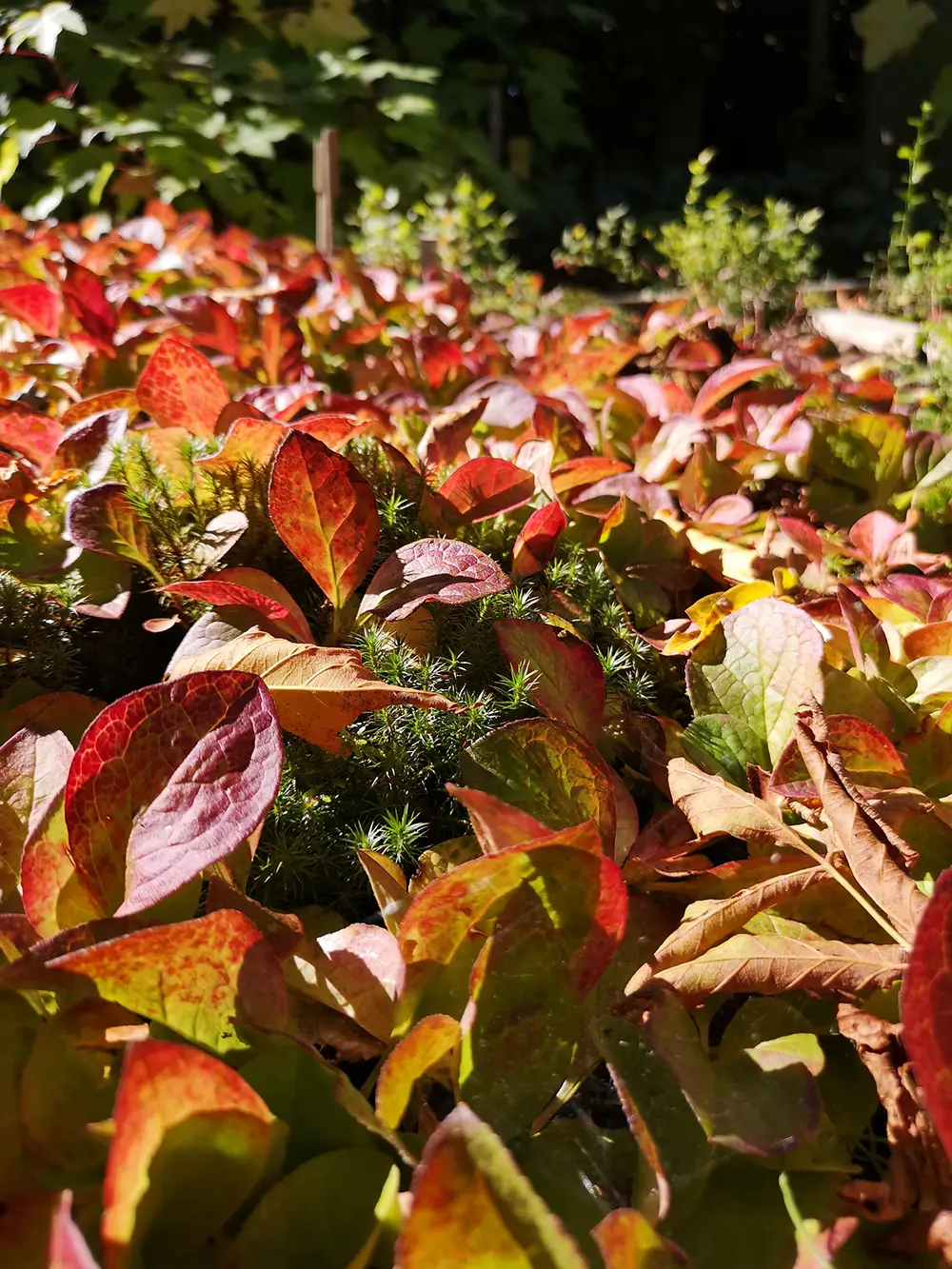
It does not grow in swamps, does not grow in bushes, does not grow in dense forests. This berry needs mountains, sea air and sun. It is absolutely not afraid of cold and gives an extremely beautiful cover where it grows, bright green in summer that can change color to brown and red during the day. In autumn – blood-red leaves, pink, red and cherry. Crimson, pompadour
The Uchichara plant can probably be compared to salmon, which always live in mountain streams with crystal clear water, saturated with oxygen. Anyone who fishes knows that salmon is, first of all, absolute aesthetics, because the fish chooses the most beautiful places on the planet and is extremely beautiful itself. Salmon are caught precisely for the sake of aesthetic pleasure, to spend time in the most beautiful places on our planet.
So, both salmon and Uchichara live only in such unique places, with beautiful views, where there is a lot of oxygen, where there are mountains and a lot of water.
As a child (7 years old), I collected these berries on the mountains that went into the sea, admired the views of the ocean and the mountains of Hokkaido Island in the distance. These are unforgettable impressions, the landscapes of the ocean, mountain rivers, and beautiful mountains were forever imprinted in my memory. It was on Kunashir Island, at that time I lived in the USSR and the island was occupied by Russia, although it belongs to Japan. Then we lived for several years on Sakhalin Island and there I also occasionally had a chance to collect Uchichara.
The story of getting to know the berry — personal experience
We left Sakhalin Island in 1992 and I kept thinking about Uchicharra, dreaming of seeing it again or growing it in my garden, but the life of a teenager in the collapsed USSR was very turbulent, so it took a lot of time to realize it.
I remembered it later, in 2009, when I had a dacha with a plot of land, and I dreamed of planting it.
I tried to find old contacts, a couple of friends, but I couldn’t agree with anyone for Uchicharra seeds.
Then an old acquaintance from Sakhalin went to Ukraine, to the sea with her daughter, and we agreed and she brought some berries. This was my first real attempt to grow Uchicharra.
I’ll say right away – I didn’t succeed.
I tried to germinate the seeds again and again, in different ways and nothing worked, and later all the seeds ran out.
In Gaspe, absolutely everything reminded me of the berry – the ocean, the mountains, the winds and fogs, the smell of seaweed in the air, everything was practically like in childhood. The only thing missing was the magical Uchi.
I searched the Internet again and again. I saw once that in Japan you can buy Uchi seedlings (it is called Mountain Azalea there, it is sold on the local Amazon because it is very decorative).
But plants cannot be sent between countries, and no one sells seeds. Almost nothing is known about Uchicharra.
Later, I found an American scientist who did some research on Uchicharra, she worked at the University of Oregon. She sent me seeds (with official documents) and I again had a chance to grow Uchicharra.
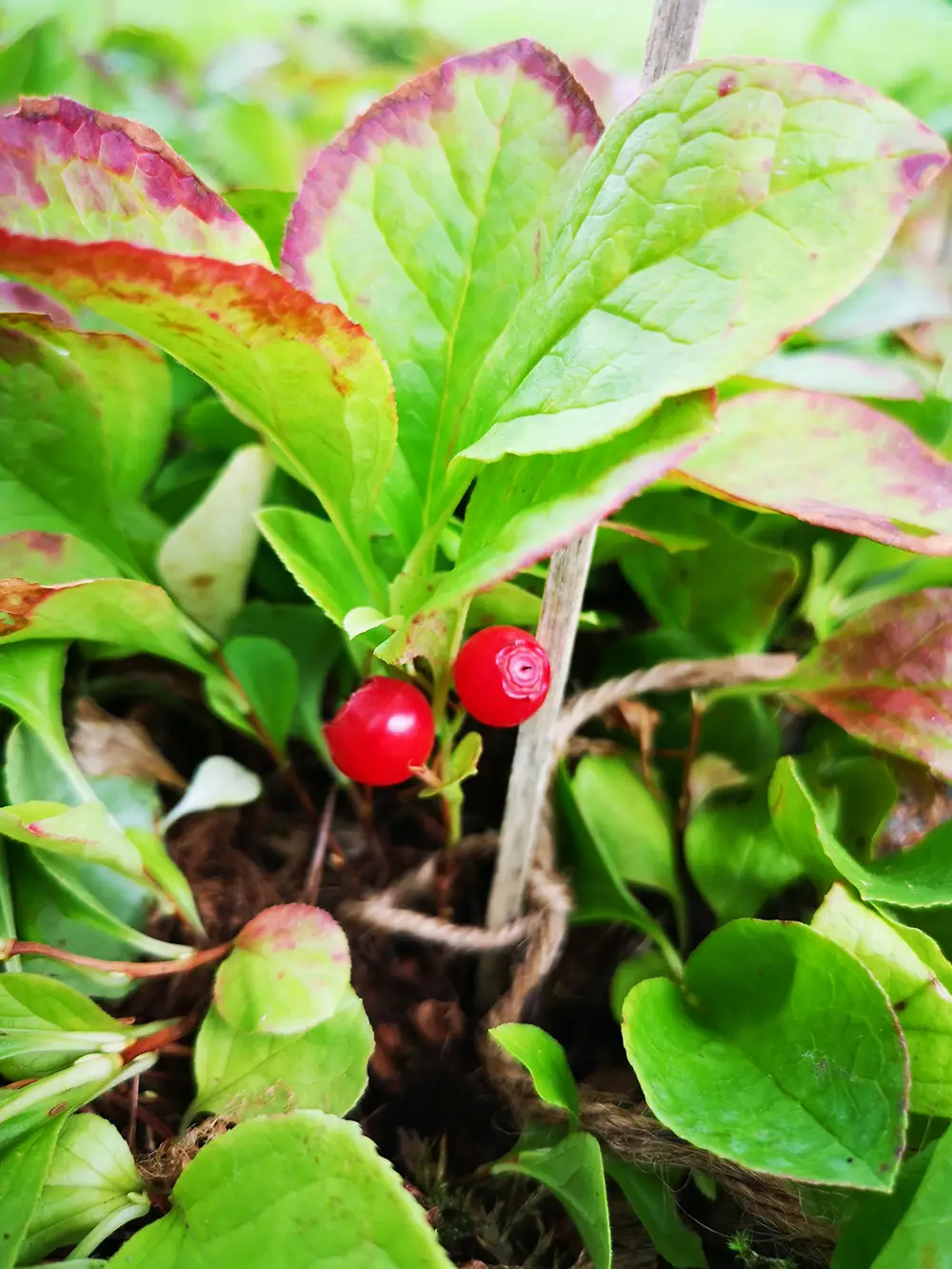
Growing Utschitschara is a difficult path to success
I don’t remember how many attempts I made (five, six or seven) until all the seeds were gone, but I couldn’t germinate any of them. This was in 2013-2014.
Let me explain, the seeds of the berry are microscopic and very capricious.
I returned to active attempts again in 2019, found a Ukrainian who lived near Japan on Sakhalin Island. We agreed on shipping and, fortunately, I got another chance to try to grow Uchicharra.
This time I prepared better, reread all possible forums and somewhere in the wilds of the Internet I found a mention of a natural growth hormone for plants, which is sometimes used for better germination and root growth on planting material. I ordered this product.
I tried to germinate seeds, this time I succeeded. I managed to master germination in various ways and the percentage of seeds that give shoots for me is within 90-99%. You can hardly imagine how happy I was about this, in fact I managed to do this only after 10 years and many unsuccessful attempts. I guess you can be proud.
And you didn’t see how afraid I was to breathe on these little dream Uchicharras.
I had a little time, so I made an “ideal” plot for berries – half a meter deep and another 30-40 above ground level, divided it into three equal parts with different soil. I placed different soils that I collected in the mountains, these were rocky substrates. In total, I took out and replaced with rocks at least one and a half tons of soil for the first Uchicharra sprouts.
I also planted some of the plants in pots with different soils, bought classic Japanese soils Kanuma, Akadama, Chabasai. Mixtures for orchids, soil mixtures, peat, humus.